
The Evolution of Dental Care
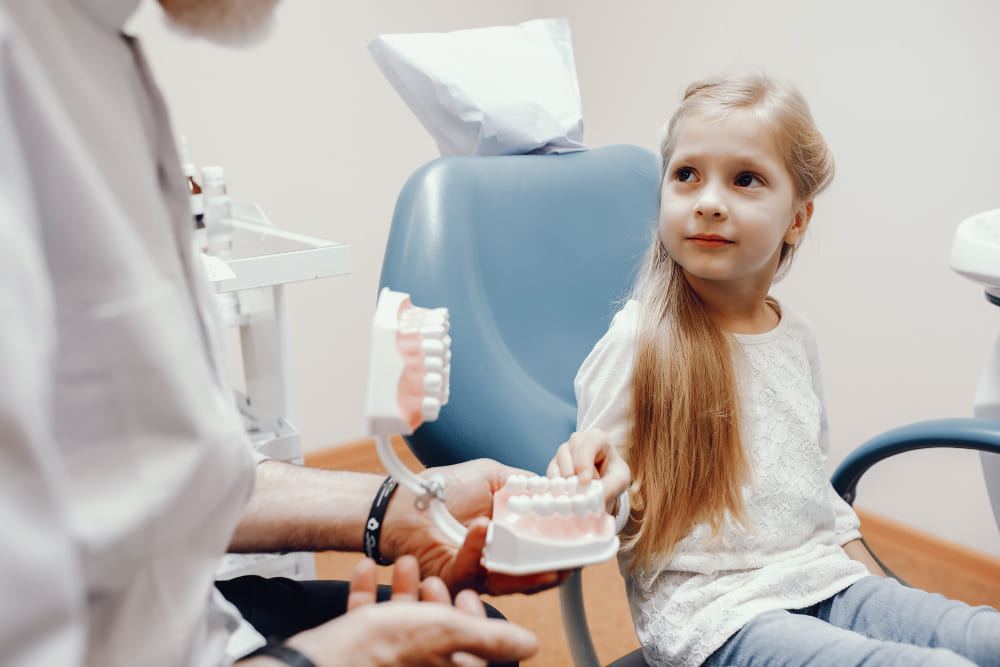
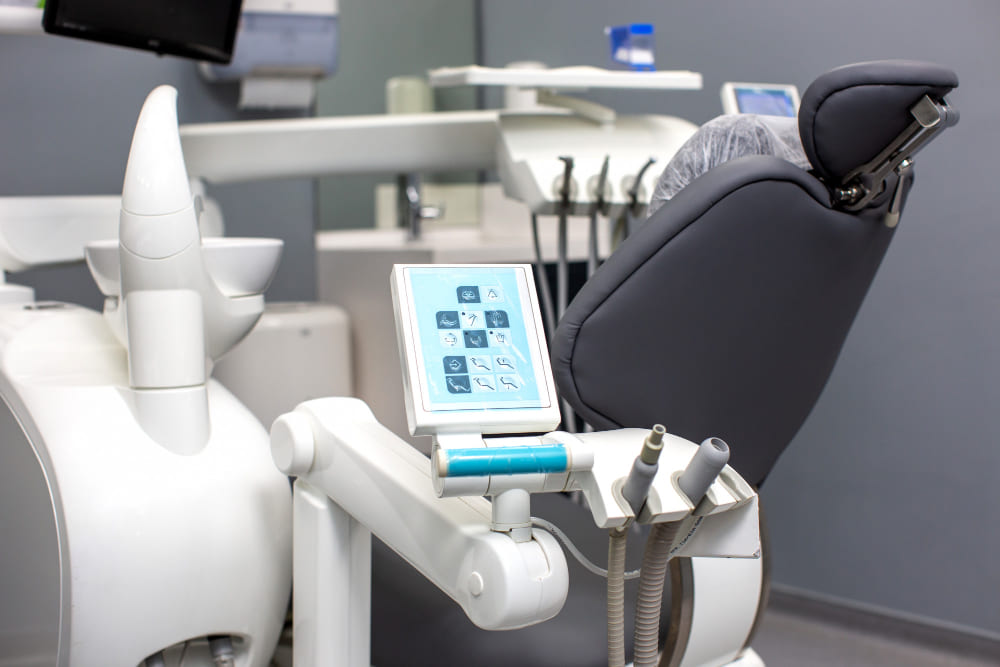
Dentistry has undergone a remarkable transformation over the past few decades, moving beyond traditional methods to embrace sophisticated materials and cutting-edge technologies. These advancements have not only refined the precision of various procedures but have also significantly improved patient comfort and the long-term predictability of outcomes. The Canadian Dental Association Blog is committed to keeping you informed about these exciting developments.
Digital Imaging and Diagnostics
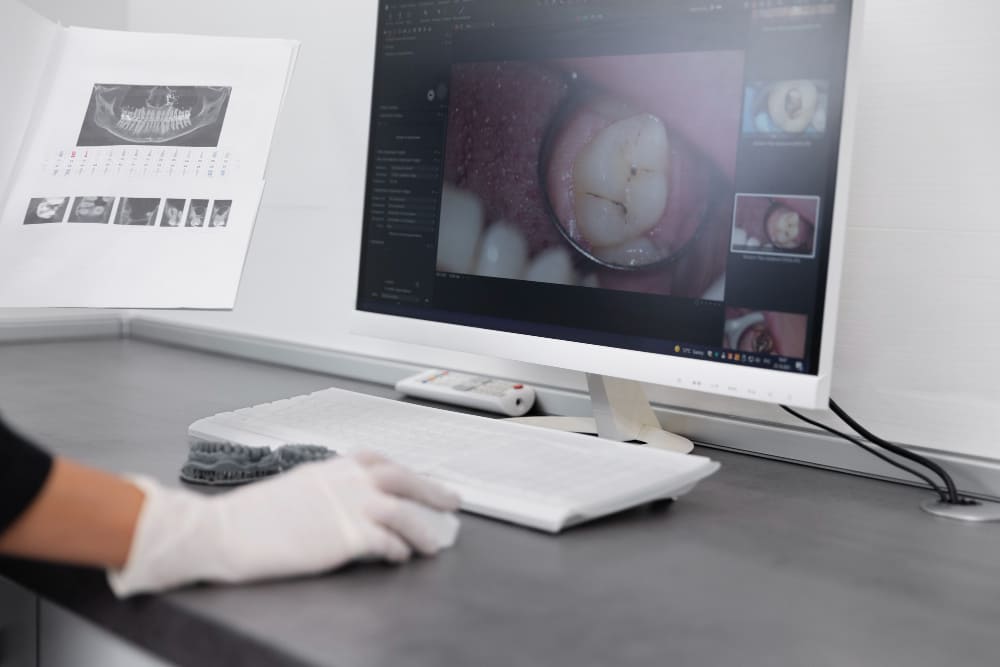
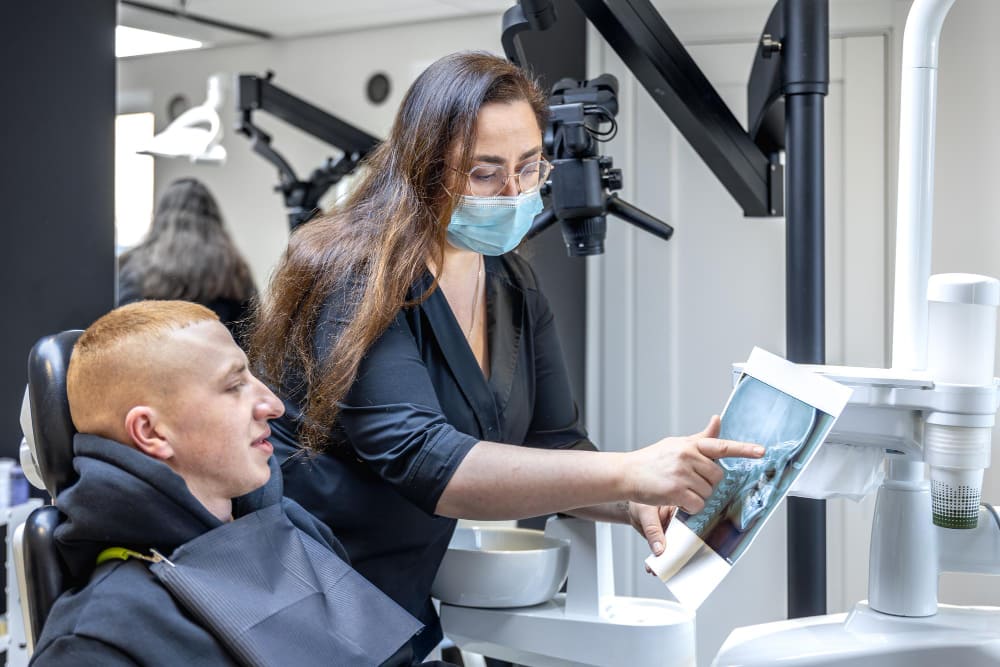
One of the most impactful innovations is the widespread adoption of digital imaging. Technologies like intraoral scanners and 3D cone-beam computed tomography (CBCT) have revolutionized diagnostics and treatment planning. Intraoral scanners create highly accurate digital impressions of teeth and gums, eliminating the need for uncomfortable traditional molds. CBCT provides detailed 3D images of oral and maxillofacial structures, allowing for precise assessment of bone density, nerve pathways, and sinus locations, which is crucial for procedures like implant placement.
These digital tools enhance accuracy, reduce radiation exposure compared to conventional X-rays, and allow for immediate viewing and sharing of images with patients, fostering a more collaborative approach to care. This means a clearer understanding for you, and more precise planning for your dental professional.
Biocompatible and Esthetic Materials
The materials used in dentistry have also seen significant improvements. Modern composites, ceramics, and zirconia offer superior strength, durability, and esthetics compared to their predecessors. These materials are designed to mimic the natural appearance and function of teeth, providing results that are both visually appealing and long-lasting.
- Composite Resins: Used for fillings, these tooth-colored materials bond directly to the tooth structure, requiring less removal of healthy tooth tissue. They are highly versatile and can be matched to the natural shade of your teeth.
- Ceramics and Zirconia: Ideal for crowns, bridges, and veneers, these materials offer exceptional strength and a natural, translucent appearance. Zirconia, in particular, is renowned for its durability and biocompatibility, making it an excellent choice for various restorations.
- Adhesive Systems: Advances in dental adhesives have made it possible to bond restorations more securely to tooth structure, leading to stronger, more reliable, and longer-lasting results.
Minimally Invasive Techniques
Modern dentistry emphasizes minimally invasive approaches, preserving as much natural tooth structure as possible. Techniques like air abrasion for cavity preparation, laser dentistry for soft tissue procedures, and guided implant surgery exemplify this philosophy. Lasers can perform precise cuts, reduce bleeding, and promote faster healing, often with less need for anesthesia. Guided implant surgery, based on 3D planning, allows for the precise placement of dental implants with minimal discomfort and improved success rates.
The Future is Bright
The continuous evolution of dental materials and technologies promises an even brighter future for oral health. Research continues into regenerative dentistry, smart materials, and even more personalized treatment approaches. These innovations mean that dental care is becoming more effective, more comfortable, and more tailored to individual needs than ever before. Staying informed through resources like the Canadian Dental Association Blog can help you appreciate and benefit from these exciting advancements, ensuring your smile remains healthy and vibrant for years to come.